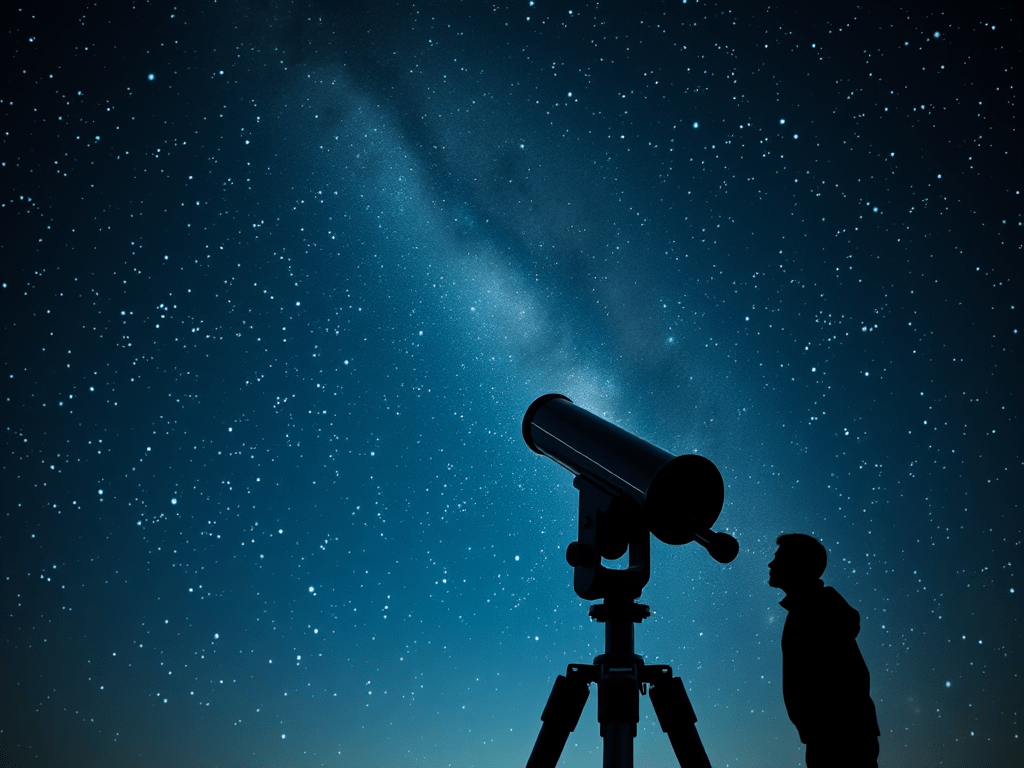
From ancient astronomers charting stars to modern scientists decoding genomes, one thing connects every breakthrough: a question. Curiosity has never been passive. It disrupts, drives, and defines progress. In a world saturated with answers, it is still the questions that move us forward.
Throughout human history, progress has never been linear. It zigs and zags, spirals and pauses — and at the center of every leap lies something deceptively simple: a question.
Why does the apple fall? What lies beyond the stars? Can illness be cured? These aren’t just prompts for science fairs — they are the very architecture of how we’ve come to understand the world.
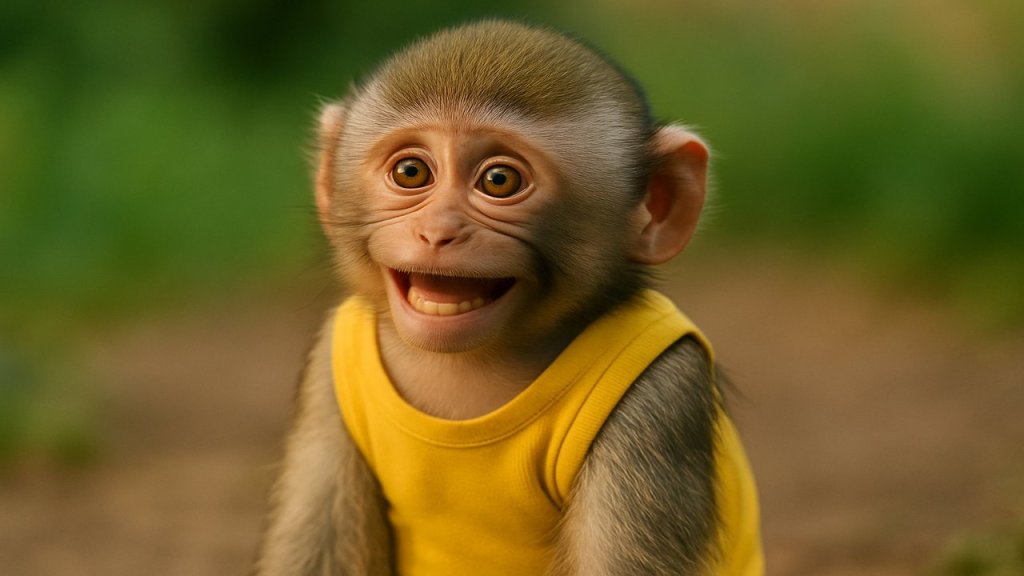
Curiosity has a peculiar nature. It is both instinctual and disciplined. A toddler asking “why” is engaging the same force that drives a theoretical physicist or a philosopher. This shared drive has carved tunnels through mountains, launched spacecraft, and mapped the human genome.
But in today’s information-saturated culture, curiosity is under threat. We are flooded with answers — headlines, hashtags, AI-generated summaries. What we lack is the space — and sometimes the will — to ask better questions. We’re encouraged to consume knowledge, not chase it.
Yet the real breakthroughs — the paradigm-shifting moments — still emerge from asking what hasn’t been asked before. Take Dr. Barry Marshall, who questioned the assumption that ulcers were caused by stress and instead proposed a bacterial link. Ridiculed at first, he drank the bacteria himself to prove it. He was later awarded the Nobel Prize.
Or consider how questioning the nature of time led to Einstein’s theory of relativity. How questioning disease patterns led to the discovery of penicillin. These weren’t random insights. They were the results of curiosity pursued with grit.
But curiosity isn’t reserved for labs or lecture halls. It lives in our daily lives — in the parent trying to understand a child’s behavior, the writer probing a feeling they can’t quite name, the citizen wondering if society could function differently. Every time we challenge a default — every time we lean into wonder instead of apathy — we participate in progress.
So how do we reclaim curiosity in a distracted world?
First, we slow down. Curiosity cannot thrive in urgency. It needs room to breathe.
Second, we allow ourselves to not know. Admitting uncertainty is the first step toward insight.
Third, we make space for cross-disciplinary thinking. Some of the best ideas come when science meets art, when history meets psychology.
And finally, we protect curiosity from shame. In school and society, we’re often taught that asking questions is a sign of weakness. In truth, it is the most human thing we can do.
To be curious is to be alive. To wonder is to resist decay. And to ask the right question — or even the wrong one — is to light a small fire in the dark.
Because intelligence isn’t only about answers. It’s also about awe.
Curianic Opinion
Curianic believes in questions that matter more than answers that fade. If you’re reading this, you’re already part of that journey.