Today, a schoolteacher in Kenya can contribute to climate data. A retiree in Canada tracks migratory birds that feed into global biodiversity models. Citizen science is reshaping how we understand the planet — one contribution at a time.
Once upon a time, science belonged to the elite. Access to research tools, data, and institutions was restricted by status and geography. But in the last two decades, a quiet revolution has been reshaping the scientific landscape: the rise of citizen science.
Citizen science refers to public participation and collaboration in scientific research. It’s not about amateurs playing scientists — it’s about real people, from students to retirees, contributing meaningfully to knowledge production. And the results are reshaping everything from climate science to space observation.
Take the Galaxy Zoo project, where tens of thousands of volunteers helped astronomers classify galaxies — a task that would have taken professionals years. Or eBird, the global platform where birdwatchers submit millions of sightings that inform conservation efforts worldwide.
Even during the COVID-19 pandemic, volunteers helped map transmission data, monitor symptoms, and contribute to genetic research by sharing health information and samples through platforms like Open Humans.
What’s powerful about these efforts is not just their data collection — it’s the democratization of knowledge. Science becomes less of a distant authority and more of a shared responsibility.
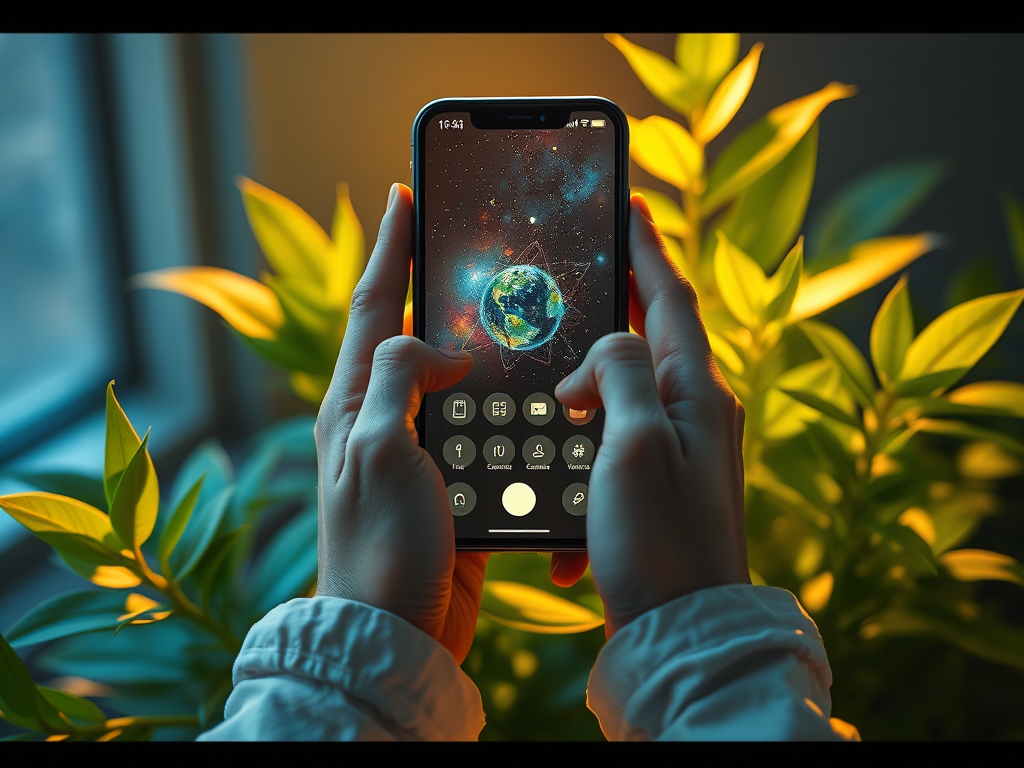
Tools like smartphone apps, GPS, and open-access databases have made it possible for ordinary people to collect reliable, geo-tagged, and time-stamped data. With training and simple guidelines, the data becomes robust, verifiable, and useful to researchers.
But there are challenges. Ensuring data quality, maintaining participant motivation, and ethically managing contributions are key. Still, these challenges are being met with innovation and care — many citizen science platforms now include review systems and cross-checking mechanisms.
Why does this matter?
Because when people participate in science, they understand it better. They trust it more. And they’re more likely to act on its findings. In an age of misinformation and polarization, rebuilding this trust might be the most important outcome of all.
Citizen science also reconnects us to place. When someone logs water quality data from a local stream or counts bees in their garden, they become stewards of their environment. This sense of agency matters.
I’ve met people who never thought of themselves as “scientific” — but after joining a wildlife count or participating in a community air quality study, they began to see science not as distant or elite, but as theirs. That shift is powerful.
In the future, science will likely be a hybrid model — with professionals and the public working side by side. It will be more inclusive, more dynamic, and more grounded in shared curiosity.
And it’s already happening — not just in labs or universities, but in classrooms, forests, rooftops, and phone screens around the world.
— Curianic Opinion
Science is a shared language.