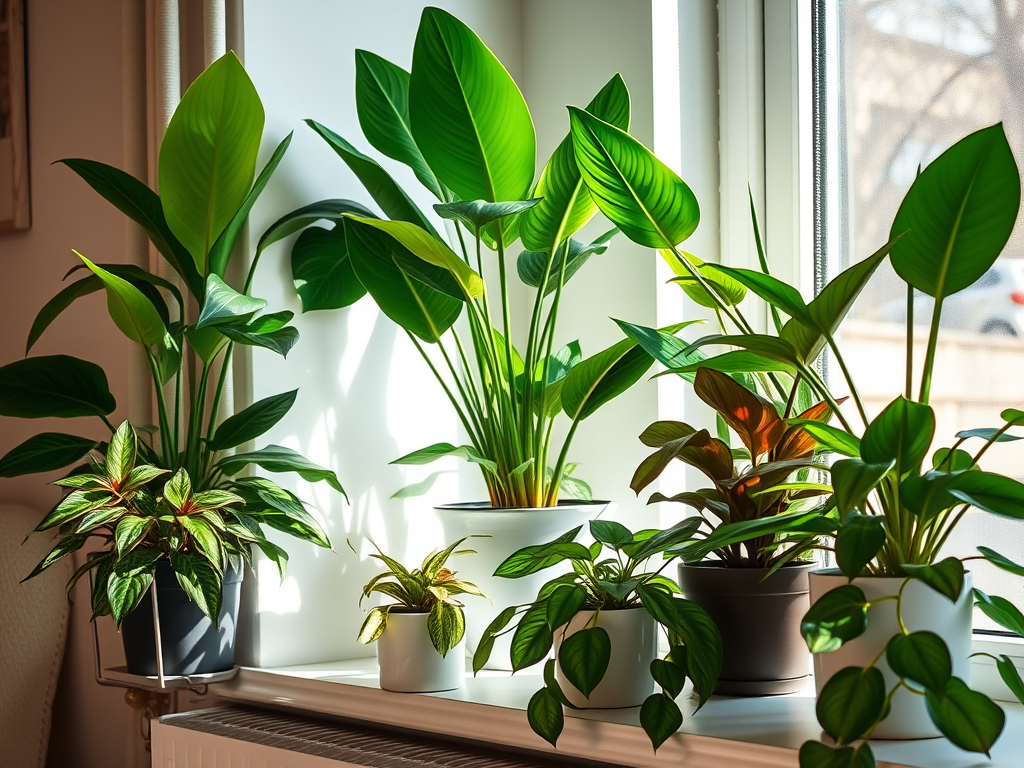
Why Houseplants Matter
Indoor plants are more than decoration. They create a calm, welcoming environment, improve indoor air quality, and bring a quiet sense of life into your home. But caring for houseplants is more than watering. It requires understanding their unique needs and choosing plants that bring positive energy and long-term balance to your space.
This guide combines practical plant care with thoughtful plant selection to help you keep your indoor garden alive and fill your home with harmony.
For more inspiration on creating peaceful spaces, explore:
- Quiet Corners: Why Your Home Needs a Space for Stillness
- Nature Indoors: Simple Ways to Bring the Outside In
8 Common Mistakes That Kill Houseplants
1. Overwatering: The Fastest Way to Kill Your Plants
Many plants die from too much water, not too little. Overwatering suffocates roots and invites fungal diseases. Always check the top inch of soil—if it feels dry, it’s time to water. If it’s still moist, wait.
Golden Rule: It’s safer to slightly underwater than to overwater.
2. Wrong Lighting: Match the Plant to the Place
Placing a sun-loving plant in a dark corner will slowly kill it. Understand each plant’s light needs—direct sunlight, indirect light, or low-light tolerance. If natural light is limited, use soft grow lights.
3. Moving Plants Too Often
Plants adapt to their surroundings and can get stressed if moved frequently. Consistent placement is key to healthy growth.
4. Temperature Extremes
Avoid placing plants near heaters, cold windows, or air vents. Most indoor plants thrive between 18°C and 24°C (65°F to 75°F).
5. Dusty Leaves Block Growth
Dust reduces light absorption and slows plant growth. Wipe leaves gently with a damp cloth every few weeks.
6. Poor Drainage Causes Root Rot
Use pots with drainage holes. Without proper drainage, water builds up and damages the roots. You can place nursery pots inside decorative containers if needed.
7. Overfeeding: Less is More
Too much fertilizer can burn roots. Feed lightly in spring and summer, and reduce feeding in fall and winter.
8. Ignoring Dormancy Periods
Some plants slow down or rest in colder months. Adjust watering and feeding during dormancy. Growth will return naturally in warmer seasons.
The Best Indoor Plants to Bring Positive Energy
Some plants do more than survive—they energize your home. These plants are known for their ability to bring calm, prosperity, and vitality into indoor spaces.

How to Position Plants for Maximum Impact
- Use natural pathways: Place plants along natural walking routes to soften movement and guide energy flow.
- Balance height and texture: Mix tall, bold plants with smaller, trailing ones to create visual and energetic layers.
- Avoid clutter: Too many plants in a small area can block light and energy. Keep arrangements spacious.
- Respect light needs: Position each plant where it can receive its preferred light consistently.
The Deeper Impact: Science and Tradition
- Air Quality: Plants like Peace Lily and Snake Plant can reduce indoor toxins and improve humidity.
- Mood and Focus: Studies show indoor plants reduce stress, enhance focus, and create a calming atmosphere.
- Energy Flow: In traditional feng shui, healthy, thriving plants encourage positive chi, while neglected plants can block it.
Final Thoughts
Keeping your houseplants alive and choosing the right ones can transform your living space. It’s not about filling your home with greenery—it’s about selecting meaningful plants, caring for them well, and allowing them to quietly shape your environment.
When your plants thrive, so does the energy around you.