Content Warning
This article contains detailed descriptions of animal cruelty, including infant trafficking, abuse, and psychological trauma.
Reader discretion is advised.
Introduction — The Smile That Hid a Crime
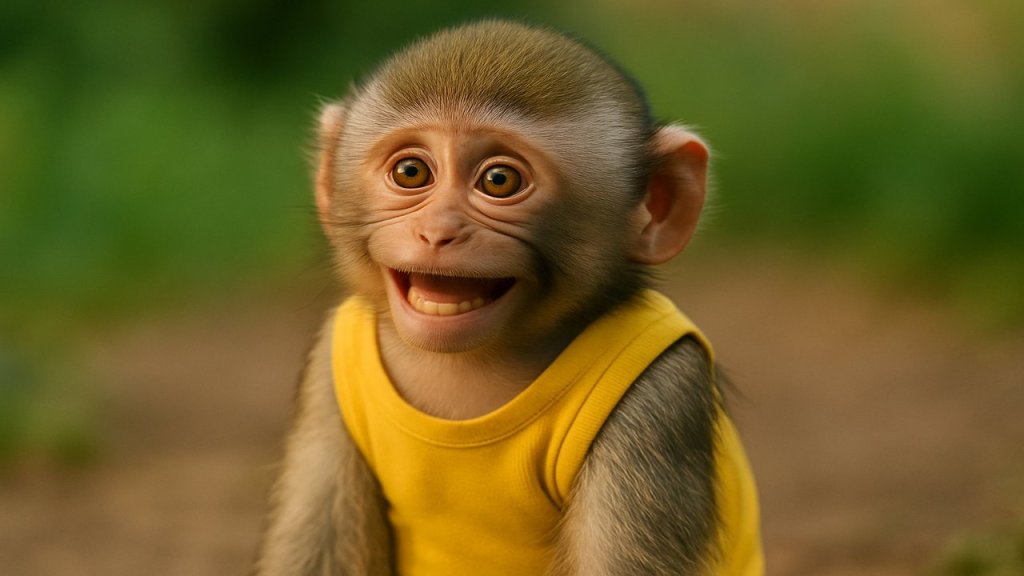
You scroll past. A baby macaque in human clothes. A bottle. A bath. A lullaby.
“Too cute,” said thousands.
But that infant—the baby monkey you see on screen—was torn from her mother, often within hours of birth.
Born in the wild or bred in a hidden farm, she lost her mother—her freedom, her safety, and everything— the moment she became content for the camera.
This is not rescue—it’s trafficking disguised as affection.
What looks like care hides lethal cruelty.
I. SMACC — What It Is and Why It Matters
SMACC (Social Media Animal Cruelty Coalition) unites over 20 global nonprofits (e.g., World Animal Protection, Action for Primates, Lady Freethinker), to document and report animal cruelty online.
Its 2023 report revealed:
- 1,226 unique video links
- 2,800 documented cruelty incidents including torture
- Over 12 billion views, many monetized
- Evidence of amputations, sexual abuse, repeated trauma
SMACC proves what many ignore: these are crimes in plain sight—often algorithmically promoted.
II. Birth, Theft & Death in Forests and Hidden Farms
Most baby monkeys come from:
- Forest hunts: Mothers killed, infants seized. Every baby macaque stolen often means 7 adult deaths.
- Illegal breeding farms: Twins, plotted births, mother culling. Infants sold cheaply and quickly.
- Some infants appear in videos with umbilical cords still attached, proof of near-immediate seizure.
Each infant stolen is a tragedy of bloodshed, silence, and stolen lineage.
III. Forced Infantilization & Conditioning for Screens
Once captured:
- Babies are dressed in diapers, school bags, costumes
- Forced to walk upright, with forelimbs restricted
- Interrupted sleep cycles to film multiple “cute” moments
- Fed sugar-rich drinks to appear playful (not nutritious!)
- Starved or rewarded until they comply with desired behavior
Every “cute trick” is often the result of months of trauma and conditioning.
IV. Explaining What Most Viewers Do Not See
Forced Feeding — Not Honeyed Moments
If you see an infant monkey licking ice cream or drinking soda, know:
- These foods are toxic to baby monkeys
- They lead to diarrhea, organ damage, joint problems, or lethargy
- Some monkeys are underfed to stay small; others overfed to appear playful
This is not indulgence. It’s management for screens.
Trained Behavior — Not Natural Play
When you spot a monkey brushing teeth, riding a toy car, or wearing a school bag:
- Understand that handlers used food deprivation, isolation, or fear to get these poses
- These are not enriching activities for monkeys—they are scripts enforced through punishment
Baths Used as Cameras’ Stage, Not Comfort
Bath sequences often show fear, not exfoliation:
- Some monkeys bathed 4–5 times daily for content
- Signs of distress: trembling, frozen posture—not enjoyment
- Many scream off-camera or flinch violently at the water
This is not hygiene. It’s performance at a cost.
Loneliness—A Result of Mother’s Absence
Monkeys are social creatures:
- Infants rely on their mothers constantly
- Babies grow up learning from siblings and troop environments
In the videos:
- You rarely see a mother—she may be dead
- You never see sibling bonds
- Above all, the baby is alone—and traumatized by absence
Pacing, blank staring, paranoia—these aren’t sadness in a video, they are residual emotional wounds.
V. Sexual Torture, Limb Removal & Organized Violence
Investigations uncovered:
- Secret Telegram groups (“Million Tears”) paid for dismemberment, sexual abuse, broadcasting torture
- Babies being burned alive, skewered, drowned, or raped on video
- Public convictions: Christina LeGresley, Christopher Orme (UK), Ronald Bedra (USA), among others.
These atrocities were not hypothetical. They are verified cases.
In 2023, Christina LeGresley and Christopher Orme were sentenced in the UK to multiple years in prison for coordinating online abuse and producing sadistic videos featuring baby monkeys. In the United States, Ronald Bedra was arrested and convicted for facilitating torture-for-pay content involving primates. Several global accomplices were indicted, with investigations continuing across borders. While some platforms have demonetized the channels involved, many videos remain accessible, raising concern over enforcement failures.
VI. PTSD-Level Psychological Damage in Primates
Primate PTSD is real:
- Symptoms include self-harm, repetitive pacing, muteness, isolation
- Trauma of losing a mother, constant fear, and forced performance scar them forever
Amari, a rescued macaque from Cambodia:
- Entered rescue center silent, motionless
- Slowly began healing with her mother at Phnom Tamao Rescue—but never fully recovered
Trauma turns life into repetition—and healing is not guaranteed.
Amari was rescued near the Angkor Wat temple complex, where monkey poaching is common. Her case is one of dozens from the Phnom Tamao Wildlife Rescue Center in Cambodia. These infants arrive damaged by both trauma and human handling. Their recovery is slow—and many never fully return to natural behaviors.
VII. Discarding the Damaged: Abandonment & Silence
At 2–3 years old:
- Monkeys grow hormonal, stronger, less “cute”
- They are abandoned in forests, sold illegally, caged, or euthanized
- Channels replace them online with new infants
The cycle is relentless. The abused are silenced. New life becomes clicks.
VIII. Platforms, Profits & the Gray Market
- SMACC data shows 60% of flagged macaque videos include actual abuse
- Channels generate up to $2,000/month in monetized income per channel
- The global primate trafficking industry is valued at $117–138 million/year
A single baby monkey — stolen from the wild and sold for as little as $100 — can generate thousands of dollars in monetized views, livestream donations, and exclusive content subscriptions for channel owners.
What begins as a brutal theft ends as a profitable entertainment machine.
Even after reporting, only 47% of abusive videos are removed.
The rest continue to spread — reshared, copied, re-uploaded — across platforms that profit from the views.
This is cruelty built into engagement metrics.
IX. Legal Breaking Points and Gaping Gaps
| Country | Legal Action | State of Enforcement |
|---|---|---|
| UK | Convictions under animal abuse laws | Enforced on known criminals |
| USA | Captive Primate Safety Act pending | Not yet law |
| Spain | Full primate ban since 2023 | Enforcement growing |
| Cambodia | Angkor abuse investigations ongoing | Action limited |
| Indonesia / Thailand | Laws exist, trade continues | Weak enforcement |
Despite convictions and legal developments, platforms rarely remove related content—even from convicted criminals.
X. Viewer Complicity & Ethical Responsibility
Sympathizing is human. But:
- Donating to channels often funds trafficking networks
- Liking or sharing increases visibility, driving more baby capture
Awareness matters.
When you report a video, your flag contributes—47% of reported content is eventually removed
XI. What You Can Do – Real Change Starts with You
– Report suspect monkey content
– Do not share or donate to channels — only support real sanctuaries
– Support trusted rescues:
- Monkey World (UK)
- WFFT Thailand
- Jungle Friends (US)
- Born Free Foundation
– Use hashtags: #NotCuteNotMine and #EndMonkeyAbuse
– Press media and platforms to remove staged primate videos
– Engage lawmakers to support bans like the Captive Primate Safety Act
Conclusion — Don’t Let a Single Click Contribute to a Life Broken
Monkeys deserve dignity—not diapers.
They deserve mothers, not cameras.
They deserve sanctuary—not scripts.
If you once clicked “like” because it looked cute—make your regret meaningful.
Turn off the watch. Demand justice. Rescue their dignity.
Let this article be the last “cute” monkey video you ever see.
Sources & Investigations
- SMACC, “The Cruelty You Don’t See” (2023)
- BBC / Action for Primates, “The Monkey Haters” exposé (2023–24)
- Lady Freethinker / Action for Primates torture ring investigations
- Phnom Tamao Rescue Center (Cambodia) survivor cases
- World Animal Protection trafficking data