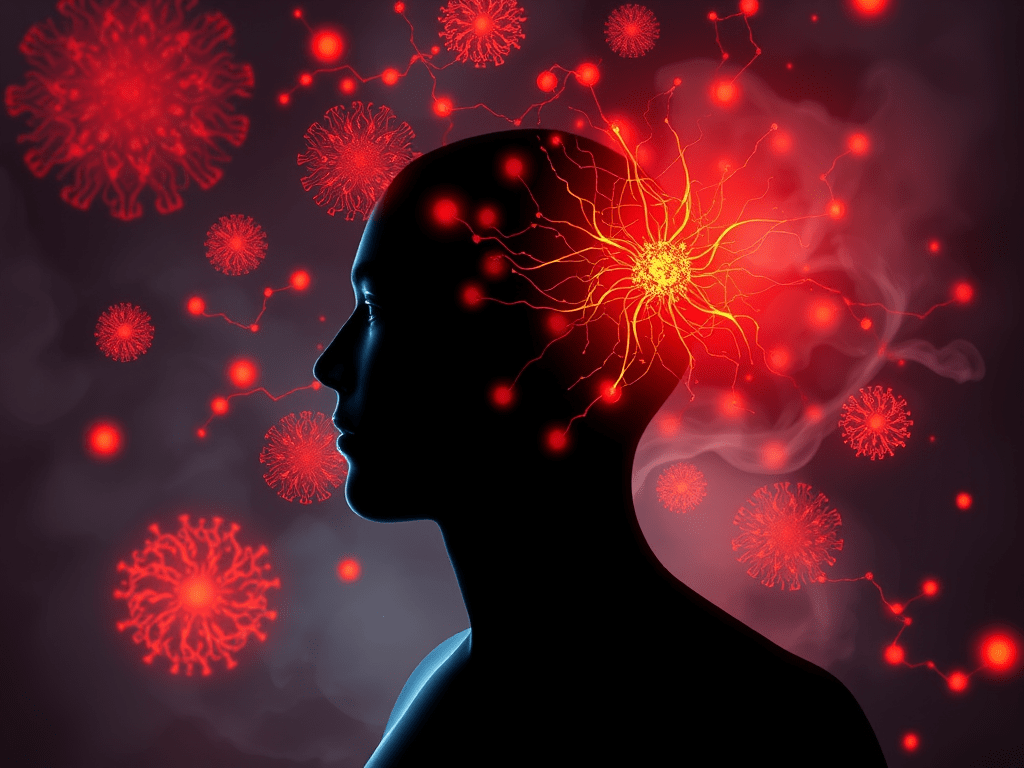
Depression is not a single illness. It appears in many forms, from short but intense episodes to subtle, long-lasting low moods. What unites them is how strongly work pressure and lifestyle habits can shape both the risk and the severity of the illness.
The World Health Organization ranks depression as a leading cause of disability worldwide. By 2030, it is expected to become the number one global health burden. Recognizing the different types of depression—and how our daily lives fuel them—is a vital step toward prevention and recovery.
The Major Types of Depression
1. Major Depressive Disorder (MDD)
- Definition: Intense sadness and hopelessness lasting at least two weeks.
- Symptoms: Fatigue, loss of interest, appetite and sleep changes, poor concentration, guilt, and sometimes suicidal thoughts.
- Impact: Among the top causes of disability worldwide.
2. Persistent Depressive Disorder (PDD or Dysthymia)
- Definition: A chronic, lower-intensity depression lasting two years or more.
- Symptoms: Ongoing low energy, low self-esteem, and reduced joy.
- Risk: Can develop into double depression when combined with MDD.
3. Seasonal Affective Disorder (SAD)
- Definition: Depression linked to reduced daylight, most often in winter.
- Cause: Disrupted circadian rhythms and melatonin regulation.
- Treatment: Light therapy and vitamin D supplements are often effective.
4. Bipolar Depression
- Definition: Part of bipolar disorder, where periods of mania alternate with depressive episodes.
- Symptoms (depressive phase): Very similar to MDD—hopelessness, fatigue, and loss of interest.
- Note: Unlike situational depression, it is a long-term medical condition requiring psychiatric treatment.
5. Situational Depression (Adjustment Disorder)
- Definition: A depressive reaction to a major life stressor, such as job loss, divorce, or relocation.
- Symptoms: Sadness, withdrawal, sleep problems, and difficulty coping.
- Outlook: Often short-term, but if unaddressed, may progress to MDD.
How Work Can Trigger Depression
Work is one of the most powerful external risk factors for mental health.
- Job strain: High demands combined with little control can double the risk of developing depression or anxiety.
- Toxic environments: Bullying, lack of recognition, or unclear roles can raise risk by up to 80%.
- Global cost: Depression and anxiety result in 12 billion lost workdays annually worldwide (WHO).
Example:
Emma, 34, worked long hours as a project manager. For years she lived with a low mood—classic persistent depressive disorder. When deadlines became relentless, exhaustion pushed her into a major depressive episode. Emma’s story reflects what research confirms: chronic workplace stress can tip mild depression into severe illness.
Lifestyle Factors That Compound Depression
- Sleep disruption: Shift work and late-night screen time disturb serotonin and melatonin.
- Sedentary lifestyle: Physical inactivity reduces endorphins and worsens fatigue.
- Diet: High intake of ultra-processed foods is linked to inflammation and poorer brain health.
- Hydration: Even mild dehydration can raise stress and irritability.
- Social isolation: Remote work, weak relationships, or excessive screen use intensify depressive symptoms.
How to Get Rid of Depression and Prevent It
Depression is highly treatable. The best approach depends on the type and severity, but both treatment and prevention strategies are well documented.
1. Professional Treatment
- Therapy: Cognitive Behavioral Therapy (CBT) and interpersonal therapy are effective for most types of depression.
- Medication: Antidepressants, and for bipolar depression, mood stabilizers or antipsychotics, are prescribed under medical care.
- Combination therapy: Using medication plus psychotherapy often leads to stronger, longer-lasting recovery.
2. Lifestyle Adjustments
- Sleep routine: Go to bed and wake up consistently to stabilize circadian rhythms.
- Exercise: Even 20–30 minutes of daily walking improves mood and lowers relapse risk.
- Healthy diet: Diets rich in whole foods, omega-3s, fruits, and vegetables support brain health, while high consumption of ultra-processed foods worsens symptoms.
- Hydration: Drinking enough water improves mood, energy, and focus.
3. Social and Environmental Protection
- Stay connected: Talking with friends, family, or support groups reduces loneliness.
- Work boundaries: Limiting overwork and protecting personal time reduces burnout.
- Stress management: Mindfulness, yoga, or journaling help regulate stress hormones.
4. Prevention for At-Risk Groups
- Seasonal Affective Disorder: Light therapy and vitamin D supplementation can prevent winter-related depression.
- Workplace programs: WHO recommends job flexibility, fair recognition, and workload control to reduce risks.
- Early help: Seeking treatment at the first signs of persistent sadness, fatigue, or hopelessness prevents escalation.
5. Crisis Support
- Immediate resources (U.S. & Canada): Dial 988 to connect with the national Suicide & Crisis Helpline, available 24/7.
- United Kingdom & Ireland: Call 116 123 to reach Samaritans, available day and night.
- Australia: Call 13 11 14 for Lifeline Australia.
- Other countries: Visit findahelpline.com for international hotlines or check the World Health Organization directory of crisis contacts.
Key point: Depression cannot always be “cured” instantly, but with proper treatment, healthy routines, and support, most people recover or manage symptoms effectively. Prevention strategies lower the chance of recurrence.
Conclusion
- Depression has many forms: major, persistent, seasonal, bipolar, and situational.
- Work stress, toxic workplaces, poor sleep, and unhealthy lifestyle choices are powerful triggers.
- Recovery is possible: therapy, medication, healthier habits, and social support all play a role.
- Prevention matters: early help, healthy routines, and workplace balance protect long-term well-being.
References
- World Health Organization – Mental Health at Work (2022)
- National Institute of Mental Health – Depression Basics (2023)
- JAMA Network Open – Shift Work and Risk of Depression/Anxiety (2023)
- National Library of Medicine – Persistent Depressive Disorder (Dysthymia)
- Revive Research – Double Depression Explained
- MentalHealth.com – Lifestyle and Depression
Read More from Curianic
- Work Stress Is Destroying Your Sleep: How to Escape, Recover, and Take Back Your Life
Chronic stress at work doesn’t just steal your rest—it undermines your mental health. Here’s how to reclaim balance. - Burnout vs. Deep Fatigue: What Modern Wellness Often Misses
Learn the difference between burnout and deep exhaustion, and why understanding both is key to real recovery. - The Silent Power of Daily Routines: Small Acts, Big Shifts
Discover how small, consistent daily habits can build resilience against depression and stress. - When Everything Feels Cloudy: Brain Fog, Vision Haze, and the Echoes We Rarely Talk About
Explore the hidden mental and physical causes of brain fog, and how it connects to stress, mood, and lifestyle. - Where Are My Keys? Why We Keep Losing Things in Plain Sight — and Who Keeps Finding Them
Everyday memory lapses reveal how stress, distraction, and mental load shape our brains.