How Northern Forests Reflect the Ancient Kitchens of the East
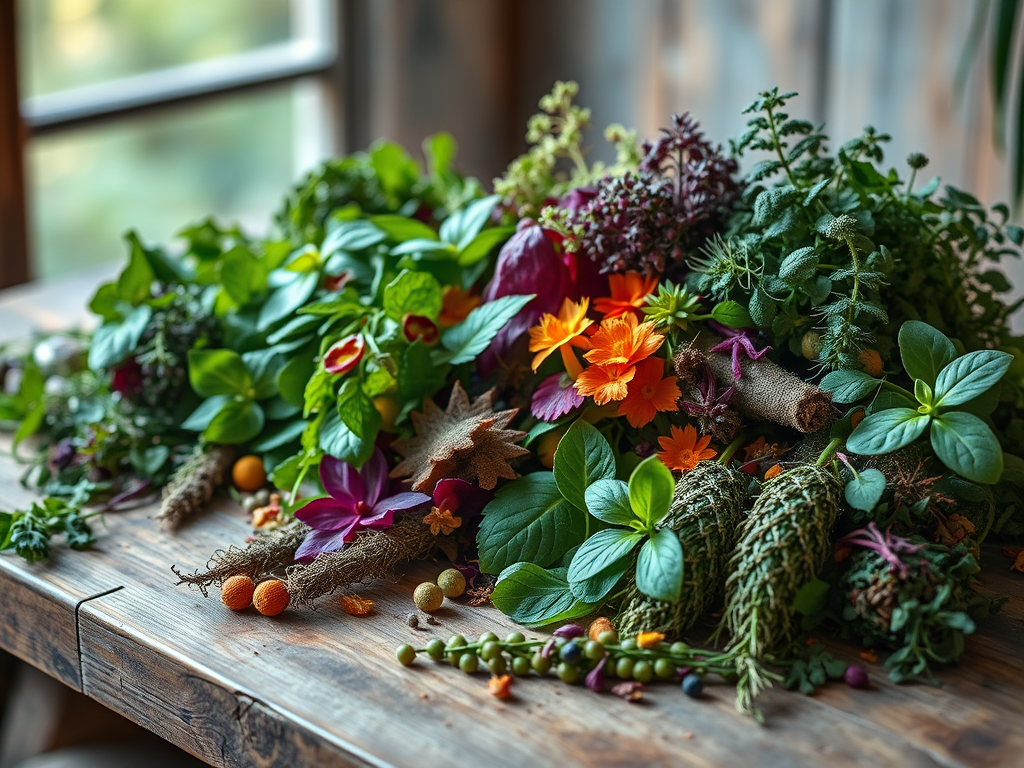
Across the northern hemisphere, the forest has long been a quiet kitchen.
From the mist-covered mountains of Japan and Korea to the maple valleys of Canada, people once relied on the land itself — gathering mushrooms, ferns, herbs, and blossoms to nourish and heal.
Many of the plants that thrive in Canada’s cold forests mirror the same ingredients found in Asia’s mountain kitchens. They share similar chemistry, aroma, and uses: as food, spice, or medicine.
What follows is a regional map of these “forest gradients” — showing where they grow, how they connect to Asian traditions, and what each region still offers to anyone willing to walk and look closely.

1. Pacific & Western Canada (British Columbia, Alberta, Yukon)
These coastal and mountain regions are rich in rain-fed forests, similar to East Asia’s temperate zones.
Perfect for mushrooms, ferns, shoots, and medicinal herbs.
| Ingredient / Herb | Where Found | Asian Connection / Use |
|---|---|---|
| Matsutake Mushrooms | Coastal BC forests — Whistler, Vancouver Island, Kootenays | Same prized mushroom of Japan; grilled, steamed, or in rice. |
| Chanterelles | Vancouver Island, Sunshine Coast | Similar to shiitake; for soups, stir-fries, and rice dishes. |
| Fiddlehead Ferns | Along rivers, damp slopes, forest edges | Korean gosari and Japanese warabi; sautéed or blanched. |
| Fireweed Shoots / Petals | Yukon, BC, Alberta | Used like daylily buds in China; garnish or tea. |
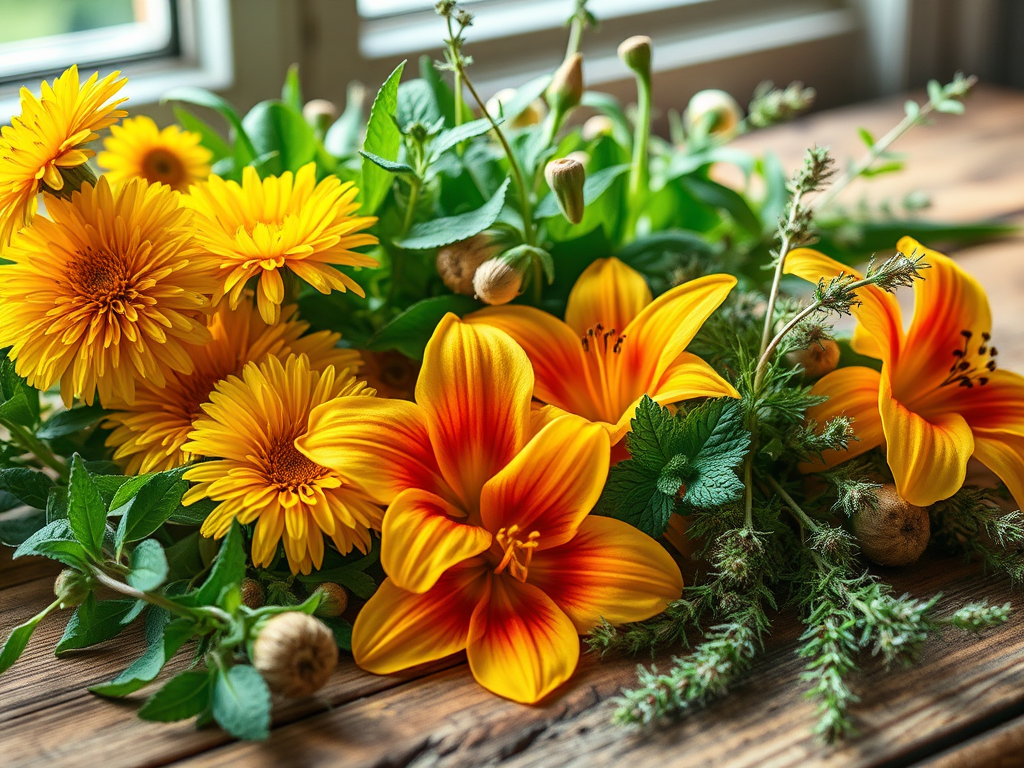
| Daylily (Hemerocallis fulva) | Found wild in BC and Alberta | In Asia called jinzhenhua (“golden needle”); used in soups and egg dishes. |
| Nettle Leaves | Forest edges and meadows | Cooked like spinach; used in dumplings or soups. |
| Sweet Fern (Comptonia peregrina) | Dry slopes and pine areas | Digestive tea; similar to perilla leaf infusions. |
| Wild Ginger (Asarum canadense) | Shaded forests, southern BC | Aromatic spice; like Asian ginger (small amounts). |
| Yarrow (Achillea millefolium) | Meadows and foothills | Cooling and cleansing tea; parallels Artemisia. |
| Mugwort (Artemisia vulgaris) | Southern BC and Alberta | Used for tea and moxa; same plant as ssuk / yomogi. |
| Wild Mint | Stream banks, shaded woodlands | Herbal tea; identical use to Chinese Bo He. |
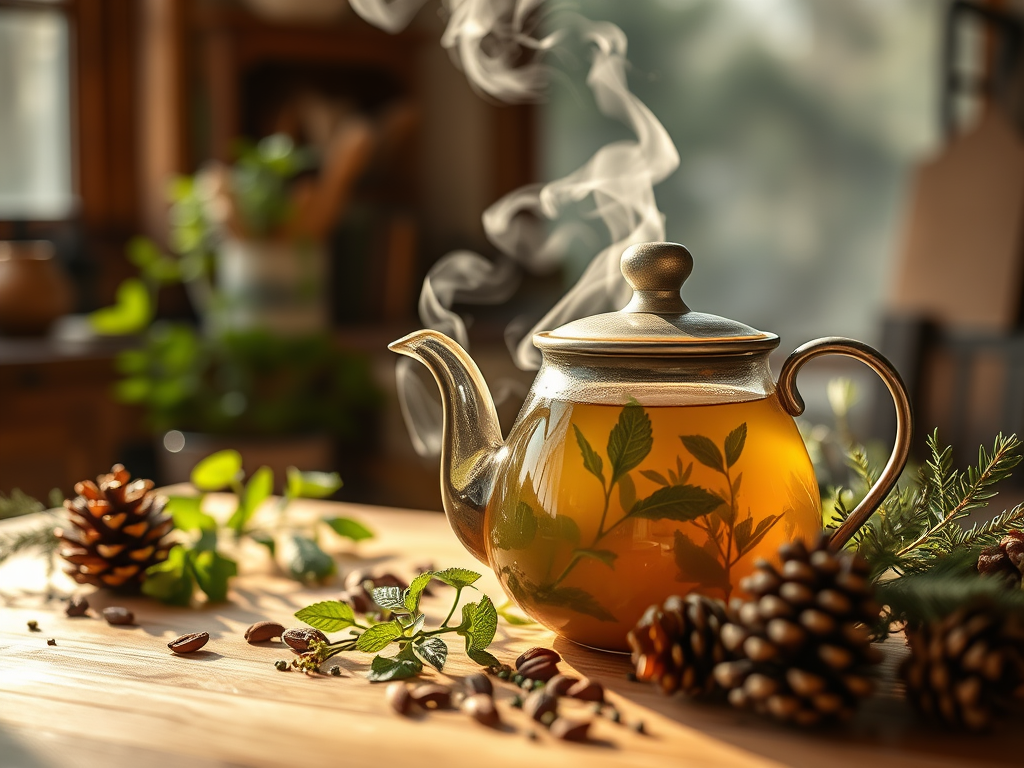
| Pine Needles / Spruce Tips | Alberta, BC, Yukon | Used for tea (solip-cha); citrus aroma and high vitamin C. |
| Birch Sap / Chaga Mushroom | Northern BC, Yukon | Detox tea and immunity tonic; same use as lingzhi (reishi). |
| Rose Hips | Open forest edges | Vitamin C and antioxidant tea; like jin yin hua. |
The coastal humidity of BC mirrors Japan’s mountain climate — ideal for mushrooms, edible shoots, and aromatic herbs long used across Asia’s mountain villages.
Regional Note:
British Columbia and Yukon are among the world’s most productive matsutake regions. Many mushrooms exported from BC end up in Japanese markets during autumn, showing how both hemispheres still share the same forest economy.
2. Central Canada (Manitoba, Saskatchewan, Northern Ontario)
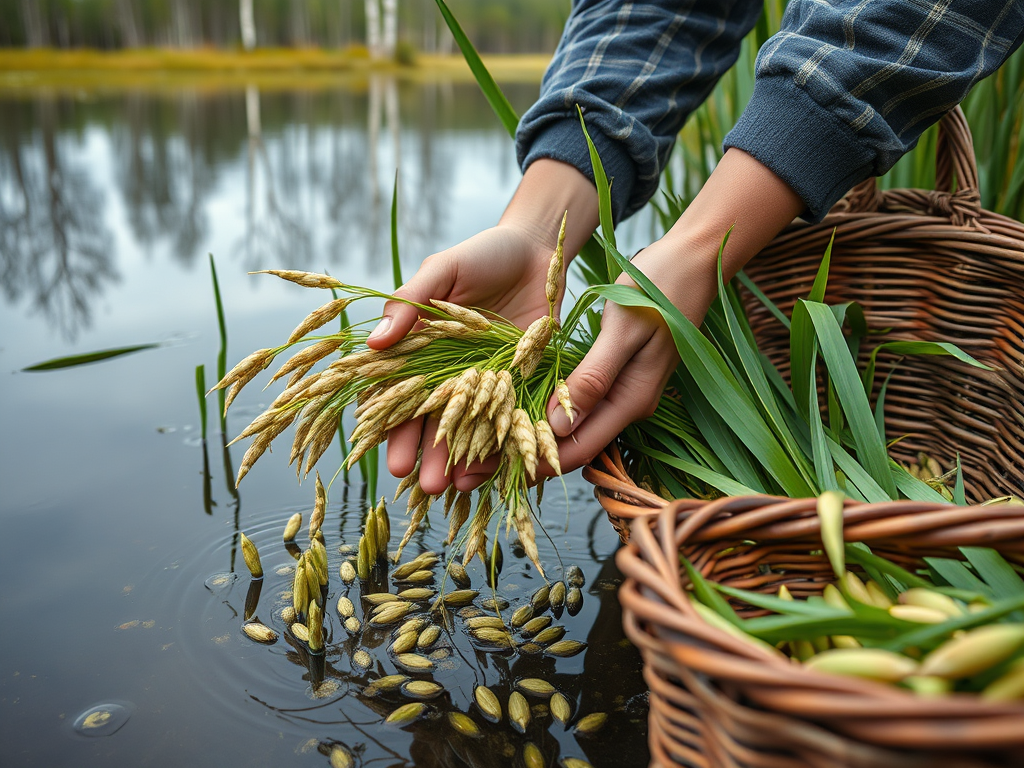
A landscape of boreal lakes and wetlands rich in aquatic greens, aromatic herbs, and mosses used in both Indigenous and Asian cooking traditions.
| Ingredient / Herb | Where Found | Asian Connection / Use |
|---|---|---|
| Wild Rice (Manoomin) | Lakes of Manitoba, Northern Ontario | Cooked like sticky rice; served with mushrooms or broth. |
| Cattail Shoots / Roots | Marshes, lake edges | Texture like bamboo or lotus root; stir-fried or steamed. |
| Reindeer Moss / Iceland Moss | Boreal forest floors, rocks | Used like sea moss or agar in soups and desserts. |
| Juniper Berries | Boreal forests | Ground as aromatic spice; similar to Sichuan pepper. |
| Sweet Gale (Bog Myrtle) | Wetlands, marshes | Fragrant spice; parallels bay leaf or star anise. |
| Staghorn Sumac | Sunny slopes and clearings | Used for teas or tangy seasoning; similar to tamarind. |
| Wild Mustard Greens | Prairie forest margins | Pickled like takana or gai choi. |
| Goldenrod (Solidago spp.) | Meadows and clearings | Detox tea; same family as chrysanthemum infusions. |
| Plantain Leaf (Plantago major) | Moist trails and roadsides | Anti-inflammatory; same species as Che Qian Cao. |
| Nettle | Moist forest zones | Rich in minerals; similar to amaranth greens. |
| Sweet Fern | Dry pine forests | Digestive infusion; same as perilla family herbs. |
Central Canada’s edible plants thrive near lakes — echoing inland China’s reliance on aquatic herbs, sour leaves, and earthy tonics.
Regional Note:
Wild rice, reindeer moss, and sumac have cultural importance among Indigenous peoples and overlap strongly with ingredients used across Northern China and Inner Mongolia.
3. Eastern Canada (Quebec, Ontario, Maritimes)
Dense mixed forests of maple, birch, and pine create Canada’s richest region for edible and medicinal wild plants.
| Ingredient / Herb | Where Found | Asian Connection / Use |
|---|---|---|
| Wild Leeks (Ramps) | Quebec Laurentians, Southern Ontario | Similar to garlic chives (jiu cai); in dumplings and stir-fries. |
| Fiddleheads (Ostrich Fern) | River valleys in Quebec, NB | Cooked like warabi or gosari; spring delicacy. |
| Dandelion Flowers / Greens | All provinces | Fried with eggs; parallels chrysanthemum dishes in China. |
| Daylily Buds | Naturalized in Quebec & Maritimes | Same as golden needle flower; used in soups and omelets. |
| Wild Sorrel | Moist forests | Adds sourness like tamarind leaf or gongura. |
| Spruce Tips / Pine Needles | Quebec, Atlantic forests | Used for teas and syrups; similar to Korean pine infusions. |
| Wild Ginger | Shady deciduous forests | Aromatic spice; used sparingly as ginger substitute. |
| Yarrow | Forest openings and clearings | Cooling tea; same as Artemisia blends. |
| Mugwort (Artemisia) | Forest edges | Calming tea; identical to yomogi / ssuk. |
| Wild Mint / Bergamot | Streams and meadows | Digestive tea; same as lemongrass or mint infusions. |
| Amelanchier (Serviceberry) | Rocky forest edges | Dried for tea; similar to goji or hawthorn. |
| Rose Hips | Forest edges | Vitamin C source; like honeysuckle. |
| Goldenrod | Fields, open woods | Detox tea; chrysanthemum alternative. |
| St. John’s Wort | Open fields | Nerve tonic; similar to Jiaogulan (Gynostemma). |
| Elderflower / Elderberry | Quebec, Ontario woodlands | Immune tea; same as Jin Yin Hua. |
Eastern Canada holds the most overlap with Asian culinary plants — shared families of ferns, flowering herbs, and edible shoots.
Regional Note:
Quebec’s Laurentian forests and New Brunswick’s river valleys are ecological equivalents of Korea’s Gangwon-do region — both producing ramps, ferns, and wild greens used in traditional cooking.
4. Northern Territories (Nunavut, Northwest Territories, Yukon Plateau)
Harsh, open landscapes with short summers, rich in medicinal herbs and lichens with centuries of traditional use.
| Ingredient / Herb | Where Found | Asian Connection / Use |
|---|---|---|
| Labrador Tea (Rhododendron groenlandicum) | Wetlands and tundra | Herbal tea for chest health; same effect as Korean pine teas. |
| Reindeer Moss / Lichens | Across tundra | Thickens soups; similar to sea moss. |
| Spruce Resin / Tips | Northern conifer forests | Antiseptic teas; like Tibetan evergreen infusions. |
| Chaga (Birch Fungus) | Birch trees throughout subarctic zones | Immune tonic; same as lingzhi (reishi). |
| Cedar Tips | NWT, Yukon forests | Cold remedy; parallels East Asian pine infusions. |
| Wild Bergamot | Prairie–tundra borders | Tea for fever; same function as lemongrass. |
| Arctic Willow Herb | Northern tundra | Used in teas and tonics; parallels mugwort in effect. |
The Northern Territories contain fewer edible plants but some of the world’s strongest natural medicines.
Regional Note:
Labrador tea and chaga remain two of Canada’s most studied forest products; their chemical compounds are nearly identical to those in ginseng and reishi mushrooms used across Asia.
5. Northeastern U.S. Border & Great Lakes Region
This southern extension of the Canadian boreal ecosystem continues the same edible and herbal pattern.
| Ingredient / Herb | Where Found | Asian Connection / Use |
|---|---|---|
| Morels / Chanterelles | Great Lakes forests | Used like Asian mushrooms in soups and stir-fries. |
| Cattail Roots | Wetlands | Texture resembles lotus root; sliced for stir-fries. |
| Wild Mustard Greens | Forest edges | Pickled like takana or gai choi. |
| Elderflower / Elderberry | Great Lakes and Ontario | Immune tea; parallels honeysuckle (Jin Yin Hua). |
| Goldenrod | Great Lakes meadows | Tea for detoxification; same family as chrysanthemum. |
The Great Lakes forests form a continuous ecological belt with Eastern Canada, hosting nearly identical edible and medicinal species.
Regional Note:
This region acts as a transition zone linking Canadian biodiversity with the Appalachian herbal traditions — making it one of North America’s richest zones for wild edible species.
6. Medicinal Forest Herbs and Their Asian Counterparts
| Canadian Forest Herb | Function / Benefit | Asian Equivalent |
|---|---|---|
| Labrador Tea | Respiratory health, relaxation | Ginseng flower tea, pine tea |
| Chaga Mushroom | Immune support, longevity | Lingzhi (Reishi) |
| Mugwort (Artemisia) | Cleansing, hormonal balance | Yomogi / Ssuk |
| Yarrow | Cooling, antiseptic | Artemisia teas |
| Wild Mint | Digestive relief | Bo He |
| Goldenrod | Detoxifying | Dandelion or chrysanthemum |
| Rose Hips | Vitamin C tonic | Goji / Hawthorn |
| Sweet Fern | Digestive aid | Perilla leaf |
| Plantain Leaf | Respiratory aid | Che Qian Cao |
| Cedar Tips | Antiseptic, aromatic | Evergreen teas in Tibet |
| St. John’s Wort | Nerve balance | Jiaogulan |
| Wild Bergamot | Fever reduction | Lemongrass |
| Nettle | Mineral-rich | Amaranth greens |
| Elderflower | Immune tonic | Honeysuckle (Jin Yin Hua) |
| Fireweed | Anti-inflammatory | Daylily tea |
| Arctic Willow Herb | Soothing tonic | Mugwort infusions |
Canada’s boreal forest holds nearly every plant family found in East Asia’s herbal medicine systems, confirming a shared ecological pattern between hemispheres.
🍁 The Sugar Maple: Canada’s Living Sweetness
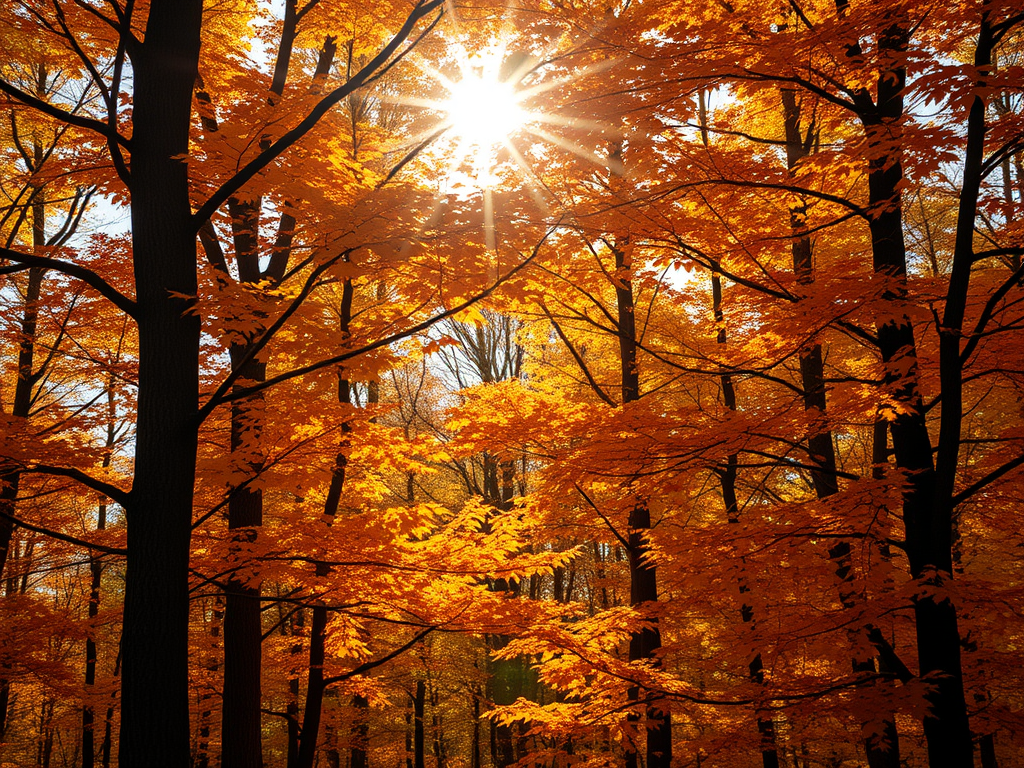
In Eastern Canada, the sugar maple stands as both a cultural and ecological symbol — while its syrup is harvested rather than foraged, it remains a reminder that even trees hold centuries of shared culinary heritage across continents. From the sap that sweetens winter mornings to the forests that cradle it, the maple tree bridges the idea of food, landscape, and identity — connecting Canada’s cold woodlands to ancient traditions of natural sweetness across Asia.
Conclusion
From British Columbia’s cedar valleys to Quebec’s birch forests, Canada’s wild landscapes mirror the herbal and culinary ecosystems of East Asia.
The same ferns, blossoms, and roots serve as both food and remedy — symbols of a shared human instinct to find health and balance in nature.
The forest kitchen is not a metaphor — it’s real.
It exists wherever people still walk, gather, and cook from the land.
Read More from Curianic
- Jasmine: A Flower of Night and Legend — Discover how one timeless flower bridges perfume, ritual, and healing across cultures and centuries.
- The Story of the Sunflower: From the Wild Plains to the World’s Canvases — A journey from North America’s wild fields to art and symbolism worldwide — the flower that follows the light.
- The Story of the Rose Plant: From Ancient Gardens to Modern Perfumes — Explore the global journey of the rose — from sacred gardens to its role in fragrance, medicine, and memory.
- The Story of the Anemone (Poppy Anemone): A Global Flower of Memory, Beauty, and Renewal — The flower of resilience and remembrance — rooted in myth, art, and the language of renewal.
- Berry Picking in Canada: A Summer Tradition and How to Enjoy Fresh Berries All Year — From forest trails to homemade preserves — rediscover Canada’s sweetest seasonal ritual.
- Strawberry Preserve, Reimagined — A modern take on nature’s simplest pleasure — turning wild fruit into a refined, timeless flavor.