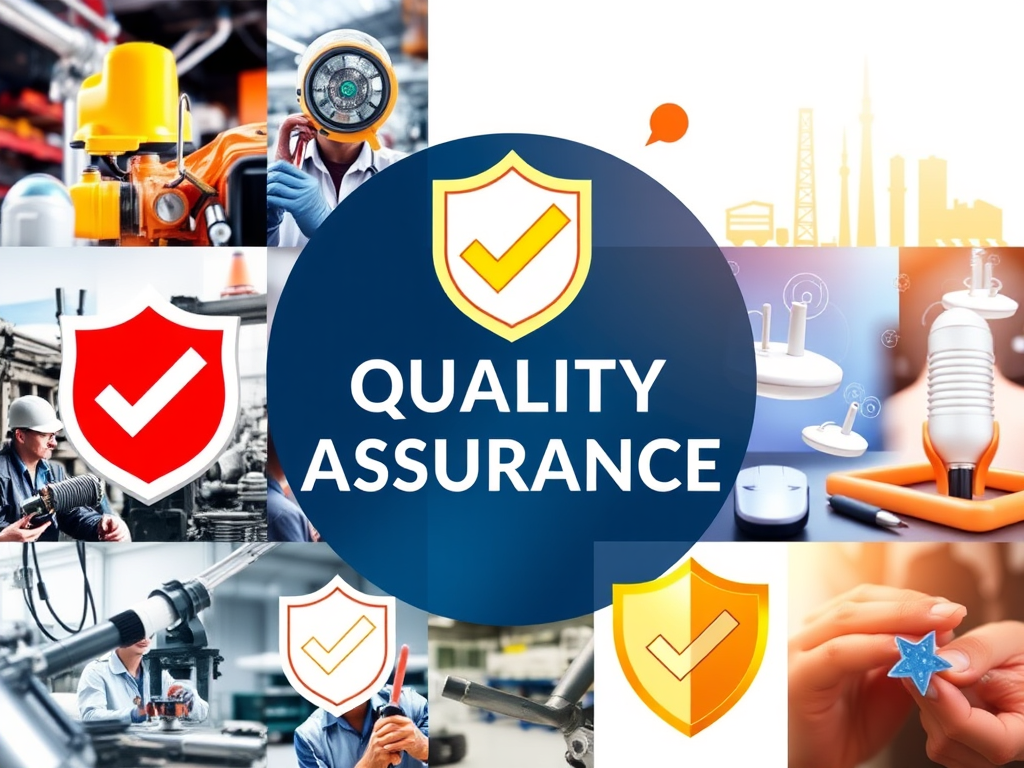
Quality assurance (QA) is the universal framework that ensures safety, reliability, and trust across every sector of society. From industries, banking, and healthcare to education, government, tourism, IT, and even daily routines, QA guarantees that processes, products, and services meet strict standards and deliver consistent results.
Organizations with robust QA systems gain credibility and a strong reputation. Weak QA, conversely, risks errors, inefficiency, and diminished public trust. QA is not just technical—it is foundational for performance, accountability, and societal confidence.
Core Principles of Quality Assurance
QA is guided by systematic processes and continuous monitoring:
- Process Definition: Standardized procedures ensure consistency and predictability.
- Validation and Testing: Rigorous checks throughout product, service, or institutional lifecycles prevent errors.
- Documentation: Accurate records maintain compliance, traceability, and accountability.
- Continuous Improvement: Audits and feedback loops refine processes, reduce risk, and enhance outcomes.
Unlike quality control, which detects problems after production, QA emphasizes prevention, optimization, and excellence.
QA in Education and Institutions
Educational QA ensures that institutions, curricula, and teaching processes meet high standards:
- Accreditation: Universities and vocational programs are audited to verify teaching quality, research integrity, and resource adequacy.
- Curriculum and Assessment Standards: Ensures learning outcomes meet national and international benchmarks.
- Institutional Audits: Monitor governance, administration, faculty performance, and student satisfaction.
Example: A university implementing ISO-aligned QA in its curriculum maintains international accreditation and consistently produces highly employable graduates, enhancing its reputation globally.
Takeaway: Strong QA in education ensures credible institutions and trustworthy qualifications.
QA in Industry
Industries from manufacturing to pharmaceuticals rely on QA for safety and consistency:
- Manufacturing Standards: Products are built with consistency, meeting precise specifications and minimizing defects.
- Safety Compliance: QA ensures adherence to international standards such as ISO (International Organization for Standardization), FDA (U.S. Food and Drug Administration), and CE (Conformité Européenne) certification.
- Process Optimization and Risk Mitigation: QA reduces waste, inefficiency, and potential hazards before products reach the market.
Case Study: Pharmaceutical QA monitors raw materials, production, and packaging to guarantee medication safety. Even minor lapses can cause public health crises, showing QA’s critical importance.
Takeaway: Strong QA enhances product reliability, consumer trust, and brand reputation.
QA in Banking and Financial Services
QA is critical in banking, finance, and insurance for accurate transactions and risk management:
- Transaction Reliability: QA ensures precise, timely, and secure operations.
- Fraud Prevention: Detects anomalies and reduces operational risk.
- Customer Confidence: Banks with robust QA build trust and solid public reputation.
Example: A bank using automated QA checks prevented a major system error during a peak transaction period, preserving client trust and avoiding financial losses.
Takeaway: QA in banking directly correlates with financial reliability and institutional reputation.
QA in Services
Service sectors—including healthcare, IT, hospitality, and retail—use QA to maintain consistency, safety, and satisfaction:
- Healthcare: QA ensures accurate diagnostics, patient safety, and effective treatment.
- IT Services: QA verifies software, cybersecurity, and system performance.
- Tourism & Hospitality: Hotels and travel operators follow QA protocols to maintain hygiene, safety, and reliable guest experiences.
- Retail & Customer Services: QA guarantees product quality, service standards, and client satisfaction.
Case Study: A multinational hotel chain implemented standardized QA across 50 locations, improving cleanliness, guest satisfaction, and online ratings, strengthening its global reputation.
Takeaway: Strong QA in services leads to client loyalty, operational efficiency, and competitive advantage.
QA in Government and Public Services
Governmental QA ensures public safety, policy effectiveness, and accountability:
- Infrastructure: QA ensures bridges, roads, and public buildings meet safety and durability standards.
- Regulatory Oversight: Inspections and audits enforce compliance with laws and standards.
- Public Programs: QA evaluates efficiency, equity, and measurable outcomes.
- Risk Management: QA minimizes hazards and protects citizen trust.
Case Study: City infrastructure QA prevented a bridge collapse by enforcing inspection schedules and safety standards, protecting lives and reinforcing public confidence.
Takeaway: Government QA is essential for transparency, reliability, and societal trust.
QA in Food, Medicine, and Daily Life
QA is integral to everyday activities:
- Food Safety: Farm-to-fork QA prevents contamination and ensures nutritional accuracy.
- Medicine & Healthcare: QA guarantees dosage accuracy, device safety, and effective clinical protocols.
- Daily Routines: Appliances, banking apps, online services, and digital tools rely on QA for safe, predictable performance.
Case Study: A certified food processing facility detected contamination early through QA protocols, preventing a potential public health incident.
Takeaway: Even small QA measures in routine life protect health, efficiency, and consumer trust.
Audits and Verification
Audits validate QA across all sectors:
- Internal Audits: Monitor processes, compliance, and risk.
- External Audits: Independent verification ensures accountability and transparency.
- Continuous Monitoring: Audit findings drive process improvement, risk reduction, and operational excellence.
Audits make QA measurable, actionable, and credible, strengthening organizational reputation.
Emerging Trends in QA
Modern QA integrates technology, global standards, and sustainability:
- Automation and AI: Improves efficiency, reduces human error, and supports predictive quality analysis.
- Global Standards: ISO frameworks unify QA practices internationally.
- Digital QA: Software performance, cybersecurity, and data integrity are continuously monitored.
- Sustainability and Ethics: QA now includes environmental, social, and ethical considerations across supply chains.
Takeaway: Holistic QA now ensures safety, reliability, efficiency, reputation, and ethical compliance.
Ensuring Reliability, Trust, and Global Competitiveness
Quality assurance is universal, essential, and reputation-defining. From industries, banking, services, and education to government, food, medicine, tourism, IT, and daily routines, strong QA ensures:
- Consistent and reliable outcomes
- Safety and regulatory compliance
- Enhanced reputation and client or public trust
- Continuous improvement and operational accountability
Strong QA provides a critical advantage in globalization:
- Standardization Across Borders: Organizations can meet international standards, ensuring products and services are globally accepted.
- Cross-Border Trade & Compliance: Robust QA reduces legal, operational, and reputational risks in international markets.
- Global Reputation: Companies, institutions, and governments with strong QA are recognized worldwide for reliability and excellence.
- Technology and Knowledge Transfer: QA frameworks facilitate the adoption of best practices internationally, boosting efficiency and competitiveness.
Actionable Takeaways:
- Professionals: Review and strengthen your QA processes to maintain credibility, excellence, and global competitiveness.
- Consumers: Look for certified products, services, and institutions with verified QA standards.
Strong quality assurance is not optional—it is the foundation of reliability, excellence, and societal confidence. Organizations and individuals who embrace it thrive locally and globally; those who neglect it risk failure, lost trust, and limited international reach.
Read More from CURIANIC
- The Hidden Language of Algorithms: How Invisible Codes Shape What We See Online
- When Machines Write: The Ethics of AI Art
- The Future of Human Creativity in a Digital World
- When AI Becomes the Search: How Classic Websites Are Affected by Smart Engines
- What AI Still Cannot Do: Beyond the Illusion of Intelligence