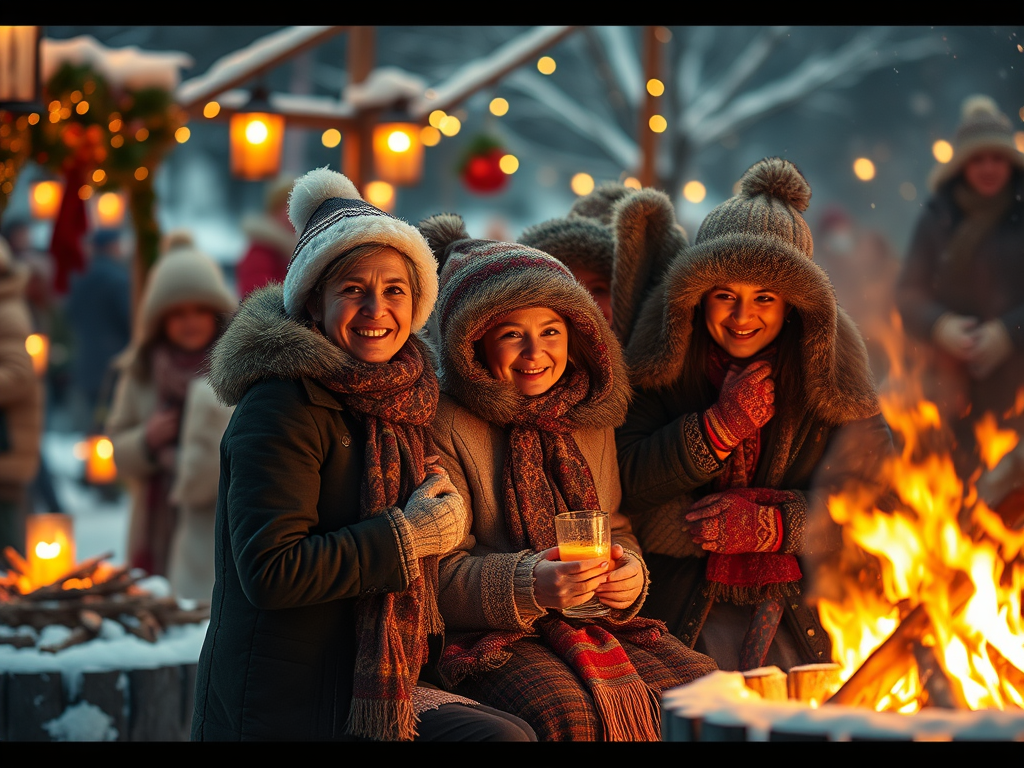
Winter is more than a season—it is a test of spirit.
The cold forces people to slow down, gather closer, and rethink how they express comfort. This is why winter traditions around the world are so emotionally rich: they were born from the human instinct to create warmth where nature gives none.
Although climates differ—from icy Nordic coasts to the cool deserts of the Middle East—every culture has developed its own way of welcoming winter, transforming it from a dark season into one of connection, celebration, and shared meaning.
Below is a journey through winter traditions that reveal how humanity finds warmth in the coldest months.
Scandinavia: Light, Presence, and the Philosophy of Hygge
Winter in Scandinavia is long and heavy, with darkness that stretches for most of the day. Yet the region has mastered the art of turning cold into calm.
At the heart of this transformation is hygge, a Danish and Norwegian concept that has no perfect translation. It is not simply comfort; it is the creation of a warm atmosphere where presence matters more than perfection.
Homes glow with candlelight, wool blankets soften the silence, and evenings become rituals of tea, pastries, and quiet conversation. Streets in Norway and Sweden shimmer with warm lanterns, transforming darkness into a soft, golden season.
The real beauty of hygge is not the décor. It is the mindset: an invitation to slow down, appreciate simplicity, and treat winter as a time to reconnect with oneself and others.
Japan: Kotatsu Culture and the Art of Gathering Close
In Japan, winter traditions embody refinement and intimacy.
One of the most beloved symbols of Japanese winter is the kotatsu—a heated table covered with a thick blanket.
Entire families sit around it to eat, read, talk, nap, or simply enjoy a quiet evening. It turns ordinary moments into shared rituals. The kotatsu is not only practical; it represents emotional closeness in a season of cold.
Japan also celebrates winter through festivals like Sapporo’s snow events, where the cities transform into dreamlike worlds of carved ice, frozen sculptures, and illuminated streets. Despite the cold, these festivals feel warm—proof that beauty can be carved even out of winter itself.
The Middle East: Fire, Hospitality, and Winter Evenings Under the Sky
Winter in the Middle East carries a different rhythm.
It is the season when people finally step outdoors, enjoying crisp evenings and gathering around fire pits with family and friends.
Warmth is expressed not through heavy blankets but through hospitality.
Afternoons begin with Arabic coffee flavored with cardamom, followed by roasted chestnuts or winter sweets like sesame cookies. Evenings in Jordan, Syria, and Lebanon often involve grilling outdoors, sitting under woven blankets, and telling stories around a glowing mangal.
Although the region does not face harsh snowstorms, winter traditions are deeply emotional. They preserve a sense of community, reminding people that warmth comes from shared time, not only from heat.
Canada and Northern America: Winter as Identity and Celebration
In Canada, winter shapes national character.
Instead of resisting the cold, communities embrace it through festivals, markets, and outdoor activities that celebrate the season rather than escape it.
Ottawa’s Winterlude brings ice sculptures, frozen slides, and skating routes that stretch along the canal. In Québec, the Winter Carnival fills the historic streets with music, snow art, and cozy food stalls.
Even smaller towns mark the season with their own traditions: night skiing, winter walks, maple taffy, and hot chocolate served in the open air.
Winter here is not only a climate; it is a shared experience that connects people, especially newcomers who learn quickly that winter is a bridge into Canadian culture.
Central Europe: Lanterns, markets, and centuries-old winter rituals
Europe’s winter traditions blend history, craftsmanship, and celebration.
German and Austrian Christmas markets are among the most iconic, filled with wooden stalls lit by warm lights, handcrafted ornaments, and the smell of roasted nuts and spiced drinks.
People warm their hands over cups of Glühwein, listen to live music, and wander through streets decorated with garlands and evergreen branches.
In the Czech Republic, sweet pastries like trdelník are sold from steaming stands, adding aroma and comfort to the cold evenings.
These markets are more than holiday attractions—they are cultural gatherings that preserve local identity through food, craft, and winter storytelling.
South Asia: Fire, Festivals, and the Warmth of Color
Winter in South Asia carries a unique energy.
Instead of snow, the season is marked by harvest festivals, family gatherings, and the comforting smell of warm spices.
Bonfire celebrations like Lohri in northern India bring entire communities together. People throw seeds and sweets into the fire, share traditional meals, and welcome the arrival of a new agricultural cycle.
Tea becomes richer, foods become more fragrant, and homes are filled with warm colors and seasonal sweets.
Although the temperatures are mild compared to northern regions, the cultural warmth is striking—winter becomes a symbol of renewal and gratitude rather than struggle.
A Shared Human Story: Finding Warmth Beyond Weather
Across continents, winter traditions may look different, but their purpose is the same:
- To bring light into darkness
- To gather people closer
- To protect culture through ritual
- To slow down and appreciate connection
- To create meaning during the year’s quietest season
From a candle in a Nordic window to a kotatsu in a Japanese home, from a Middle Eastern fire pit to a European market stall, winter traditions remind us that warmth is not only physical.
It is emotional, cultural, and deeply human.
No matter where we live, winter teaches us the same lesson:
Cold is temporary, but the bonds we create to survive it can last a lifetime.