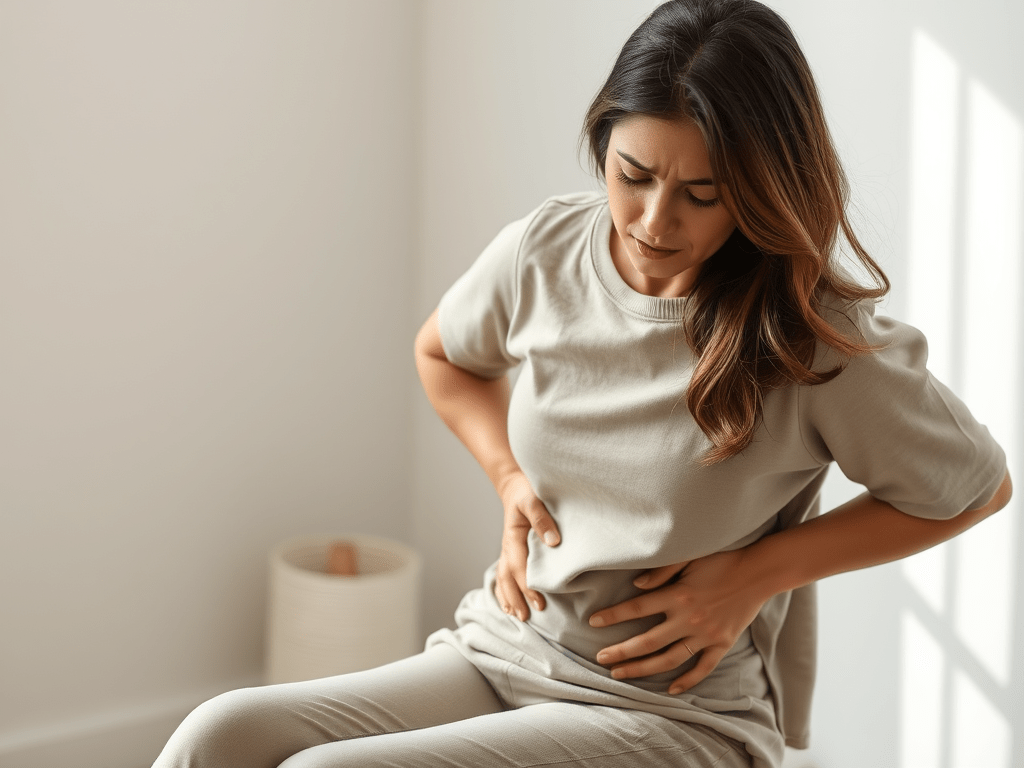
Ovarian swelling—also known as ovarian enlargement—is a clinical finding rather than a disease itself. It refers to an increase in the size of one or both ovaries, often detected during ultrasound imaging or gynecological evaluation. While ovarian swelling can be temporary and harmless, in other cases it may signal hormonal disruption, inflammation, cyst formation, or underlying medical conditions requiring attention.
Understanding what ovarian swelling truly means is essential for women seeking clear, evidence-based information—free from myths, unnecessary fear, or unverified claims.
What Is Ovarian Swelling?
Ovarian swelling occurs when the ovary increases in volume beyond the normal physiological range. This enlargement may be:
- Functional (related to ovulation or hormonal cycles)
- Inflammatory
- Cystic
- Hormonal or endocrine-related
- Medication-induced
- Genetically influenced
Importantly, swollen ovaries do not automatically indicate cancer or permanent damage. Many cases are reversible once the underlying cause is identified and addressed.
Common Causes of Ovarian Swelling
1. Hormonal Imbalance
Fluctuations in estrogen, progesterone, luteinizing hormone (LH), or follicle-stimulating hormone (FSH) can interfere with normal ovulation, leading to temporary ovarian enlargement.
2. Functional Ovarian Cysts
Follicular or corpus luteum cysts may cause one ovary to appear enlarged. These cysts often resolve spontaneously within one or two menstrual cycles.
3. Polycystic Ovary Syndrome (PCOS)
PCOS is one of the most frequent causes of bilaterally enlarged ovaries. It involves disrupted ovulation, insulin resistance, and hormonal imbalance, often accompanied by irregular periods, acne, or increased facial hair.
4. Inflammation or Infection
Pelvic inflammatory disease (PID) or localized ovarian inflammation may lead to swelling, pain, and systemic symptoms such as fever.
5. Medications and Supplements
Certain fertility medications, hormonal treatments, or poorly regulated supplements may influence ovarian function. While supplements do not “bind” the ovaries, they may disrupt hormonal signaling if misused or taken without medical supervision.
6. Pregnancy-Related Changes
Early pregnancy can temporarily enlarge the ovaries due to hormonal stimulation, particularly when assisted reproductive techniques are involved.
Genetic and Familial Factors
Some women may be genetically predisposed to hormonal sensitivity, PCOS-related ovarian changes, or altered estrogen metabolism. A family history of:
- Hormonal disorders
- Irregular ovulation
- Endocrine conditions
may increase susceptibility to functional ovarian enlargement without implying disease.
Symptoms Associated with Ovarian Swelling
Symptoms vary depending on cause and severity and may include:
- Pelvic or lower abdominal discomfort
- Bloating or abdominal pressure
- Nausea or digestive discomfort
- Menstrual irregularities
- Pain during intercourse
- Unexplained fatigue
Mild swelling may produce no symptoms at all and be discovered incidentally during imaging.
Diagnosis: How Ovarian Swelling Is Evaluated
Accurate diagnosis typically involves:
- Pelvic ultrasound (primary diagnostic tool)
- Hormonal blood tests
- Inflammatory markers
- Pregnancy testing (when relevant)
- Clinical history and symptom assessment
Imaging allows clinicians to differentiate between functional, cystic, inflammatory, and structural causes.
Treatment and Medical Management
Treatment depends entirely on the cause and may include:
- Observation and follow-up imaging
- Hormonal regulation therapy
- Treatment of infection or inflammation
- Adjustment or discontinuation of certain medications or supplements
- Lifestyle modification for metabolic or hormonal balance
Surgery is rare and considered only when structural abnormalities, severe complications, or persistent pathology are present.
Lifestyle Factors and Daily Habits
While ovarian swelling is not primarily caused by lifestyle choices, daily habits can influence hormonal balance:
Helpful Practices
- Balanced nutrition with stable blood sugar control
- Adequate sleep and stress management
- Moderate physical activity
- Medical supervision before taking fertility or hormone-related supplements
What to Avoid
- Self-prescribing hormonal supplements
- Excessive use of unregulated fertility products
- Ignoring persistent pelvic symptoms
When to Seek Medical Attention
Consult a healthcare professional if ovarian swelling is accompanied by:
- Persistent or severe pain
- Fever or signs of infection
- Rapid abdominal distension
- Irregular bleeding
- Symptoms lasting beyond two menstrual cycles
Early evaluation prevents complications and unnecessary anxiety.
Conclusion
Ovarian swelling is a medical finding with many potential explanations—most of them manageable and non-threatening when properly assessed. Understanding the distinction between functional, hormonal, inflammatory, and genetic factors empowers women to make informed decisions without fear or misinformation.
Professional evaluation remains the cornerstone of safe and effective care.
Read More from CURIANIC
- Low Iron, High Impact: Why Women’s Fatigue Is Often Misdiagnosed
- When Stress Feels Physical: How Hormonal Burnout Locks the Body Into Survival Mode
- Invisible Inflammation: The Hidden Cause of Fatigue, Brain Fog, and Weight Gain
- Smart Nutrition: The Micronutrients Every Woman Should Monitor Across Seasons and Life Stages