The Myth of a Single Origin
Ballet is frequently presented as a finished European product: elegant, refined, and born fully formed in royal palaces. This narrative is convenient—but incomplete.
The reality is that ballet did not emerge from a single country, court, or moment. It evolved through centuries of human movement, ritual symbolism, and cultural transmission. What Europe formalized, other civilizations had already practiced in fragmented but meaningful ways.
Understanding ballet’s origins requires moving beyond the question “Who invented it?” and instead asking:
Who practiced it, who documented it, and who had the power to preserve it?
Movement Before Ballet: When Dance Was Ritual
Long before ballet was named, human societies used controlled movement as language. In Central Asia, the Middle East, and Eastern Europe, dancers performed slow, upright motions emphasizing balance, restraint, and symbolic stillness. Some traditions included brief rises onto the forefoot or toes—movements that conveyed grace, otherworldliness, or spiritual elevation.
These were not theatrical performances in the modern sense. They were:
- Rituals
- Courtly ceremonies
- Cultural storytelling practices
They were transmitted orally, visually, and bodily—not through written systems.
This distinction matters. Dance existed everywhere. Documentation did not.
Italy: The Court as a Stage
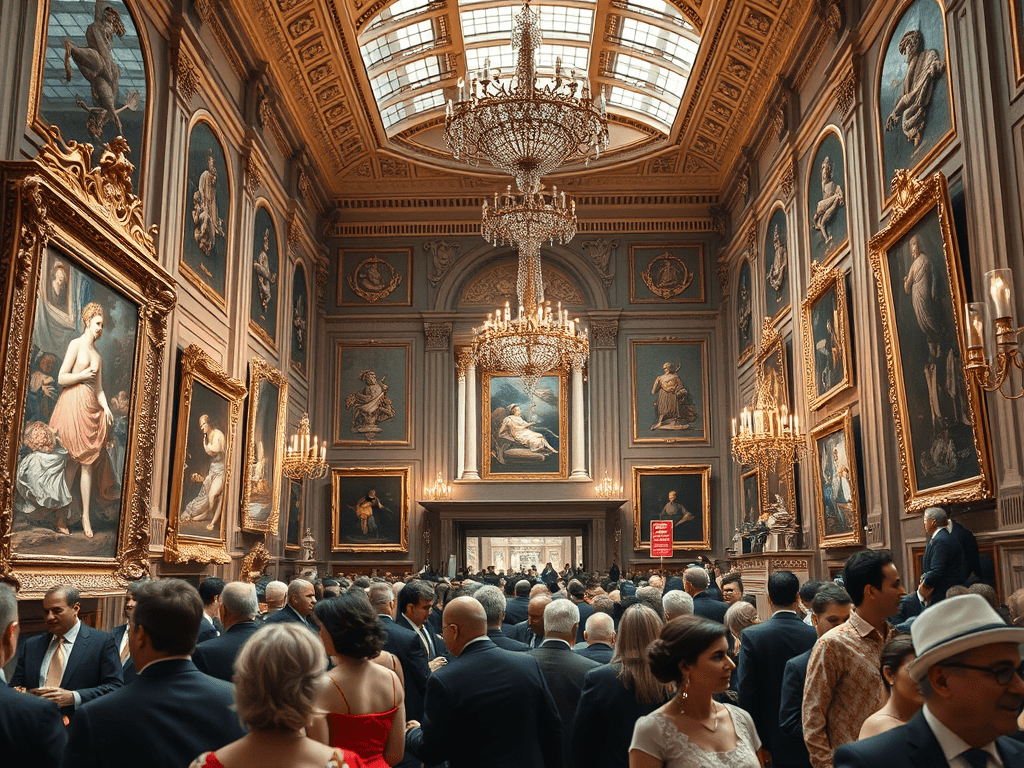
During the Renaissance, Italy transformed social dance into structured court entertainment. Noble celebrations blended music, poetry, and choreographed movement, introducing early concepts of symmetry, posture, and spatial design.
Italy did not yet have “ballet” as we know it—but it provided the foundation:
- Formal group movement
- Court-sponsored performance
- Dance as a social language of power
These elements would soon be exported.
France: Codifying the Body
Ballet truly began to crystallize in France, where dance was no longer just performed—it was regulated.
Under Louis XIV, dance became a political and cultural tool. By founding the Royal Academy of Dance, France standardized:
- Turnout
- Foot positions
- Alignment
- Formal training systems
For the first time, movement was written, preserved, and taught systematically.
This was not innovation of movement alone—it was innovation of authority over the body.
Dancing on the Toes: Technique Versus Gesture
Standing on the toes did not originate in ballet. Variations of forefoot balance appeared across cultures as expressive gestures.
What ballet introduced was different:
- Continuous weight-bearing on the tips of the toes
- Prolonged suspension
- Technical repetition
- Specialized footwear
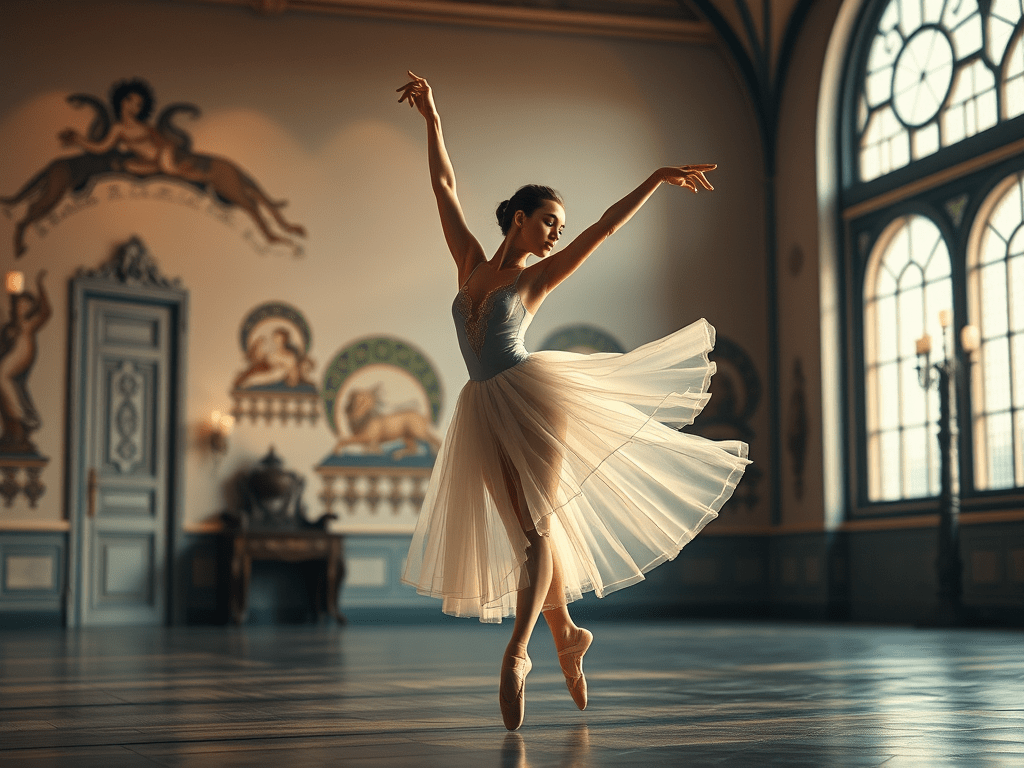
This transformation reached its artistic turning point with Marie Taglioni, whose Romantic-era performances redefined pointe work—not as decoration, but as a full physical discipline.
The illusion of weightlessness was, paradoxically, an achievement of extreme bodily control.
Russia: Where Ballet Became Monumental
Russia did not invent ballet—but it reshaped it beyond recognition.
When imperial Russia adopted ballet, it absorbed French structure and Italian virtuosity, then infused them with intensity, scale, and emotional depth. Ballet was elevated from court entertainment to national art.
This evolution reached its apex through figures such as Marius Petipa, whose works defined the grand classical repertoire still performed today.
Russian ballet distinguished itself by:
- Physical power
- Dramatic storytelling
- Technical endurance
- Institutional discipline
What Europe organized, Russia monumentalized.
Who Owns an Art Form?
The history of ballet exposes a broader truth about culture:
Art is rarely invented in isolation. It is shaped by those who record it, fund it, and control its transmission.
- Many cultures moved first
- Europe documented first
- Russia perfected and preserved
The commonly told origin story reflects not superiority of creativity—but superiority of archival power.
Ballet as a Global Language
Seen clearly, ballet is neither purely European nor exclusively elite. It is a global language forged by:
- Ritual movement
- Court politics
- Written systems
- Institutional memory
Its elegance conceals centuries of cultural layering.
The Greatest Ballets Ever Created (and Why They Endure)
Across centuries, hundreds of ballets have been created. Only a small number, however, have shaped the global canon and continue to define what ballet is—technically, musically, and emotionally.
These works endure not because of nostalgia, but because they still test dancers, challenge companies, and draw audiences worldwide.
The foundational masterpieces of classical ballet
- Swan Lake
Perhaps the most recognizable ballet in history, Swan Lake embodies duality, discipline, and tragedy. Its demanding dual role and iconic corps de ballet formations have made it a benchmark for both dancers and companies. - The Nutcracker
Often underestimated because of its popularity, The Nutcracker is the most performed ballet in the world. Beyond its festive surface lies a technically rigorous structure and a score that introduced millions to classical music and dance. - The Sleeping Beauty
Frequently described as the architectural blueprint of classical ballet, this work represents balance, symmetry, and technical purity at its highest level. Many consider it the ultimate test of classical refinement. - Giselle
A cornerstone of the Romantic era, Giselle combines emotional realism with supernatural imagery. It remains one of the most psychologically complex roles in the repertoire. - Romeo and Juliet
By merging classical technique with cinematic drama, this ballet transformed Shakespearean tragedy into a powerful physical narrative, redefining ballet’s emotional range.
Ballets revered within the professional world
Beyond the well-known titles, experienced audiences and dancers often cite works such as Don Quixote, La Bayadère, Coppélia, The Firebird, and Raymonda as essential pillars—productions that test endurance, virtuosity, and stylistic maturity.
These ballets collectively form the backbone of international ballet training and performance.
Where to Watch the World’s Best Ballet Today
Ballet is no longer confined to elite opera houses or major capitals. Today, global audiences can access premier performances both live and digitally, often directly from the world’s leading institutions.
Watch ballet live (the gold-standard venues)
For those seeking the full theatrical experience, the following houses remain reference points of excellence:
- The Royal Opera House (London)
- Palais Garnier and Opéra Bastille (Paris)
- Mariinsky Theatre (Saint Petersburg)
- Bolshoi Theatre (Moscow)
- Metropolitan Opera House (New York, select seasons)
These venues preserve tradition while commissioning new work, ensuring continuity rather than stagnation.
Watch ballet online and by streaming
Modern distribution has quietly transformed ballet’s reach:
- Official streaming platforms operated by major opera houses and ballet companies
- Curated arts streaming services offering multi-company archives
- Verified company channels publishing full performances, excerpts, and behind-the-scenes material
For the first time in history, ballet is accessible beyond geography, wealth, or social class.
Is Ballet Forgotten — or Quietly More Alive Than Ever?
Ballet is often described as a “dying art.” This perception misunderstands visibility for relevance.
Why ballet can seem absent
- Contemporary culture favors speed, short-form media, and instant gratification
- Ballet remains associated with discipline, patience, and long-form attention
- Its refinement makes it less noisy, not less valuable
Why ballet is not disappearing
- Classical ballets remain among the most consistently performed stage works globally
- The Nutcracker alone sustains entire companies every year
- Streaming and digital access have expanded ballet audiences beyond traditional demographics
- Contemporary and neoclassical choreography continues to evolve the art form without erasing its foundations
Ballet did not fade—it redistributed.
What was once centralized in royal courts and capital cities has become a global, on-demand art form. Its future is quieter, broader, and more resilient than ever.
Conclusion: Rethinking Origins
Ballet did not begin in one palace, one country, or one century. It emerged from humanity’s shared instinct to express meaning through controlled movement—and from the unequal ability of societies to preserve their art.
To understand ballet is not to trace a straight line, but to read a map shaped by power, memory, and silence.
Ballet’s survival does not depend on trends. It depends on structure, memory, and discipline—the very forces that shaped its birth. As long as the human body seeks meaning through controlled movement, ballet will remain relevant, whether on a grand stage or a private screen.
Read More from CURIANIC
- Winter Traditions Around the World: How Cultures Find Warmth in the Cold
- The Drowning of a Crown: Ludwig II and the Empire That Feared a Dreamer
- Forbidden Places You’ll Never Visit: The World’s Most Restricted and Sacred Sites
- What We Learn When We Cross Borders — Lessons That Stay
- Jasmine: A Flower of Night and Legend
- The Story of the Anemone (Poppy Anemone): A Global Flower of Memory, Beauty, and Renewal
- The Story of the Sunflower: From the Wild Plains to the World’s Canvases
- The Story of the Rose Plant: From Ancient Gardens to Modern Perfumes