The Illusion of Human Presence Online
Social media platforms are built on a simple assumption: that most interactions represent real people expressing genuine opinions. Likes, comments, shares, and follows are interpreted as signals of collective sentiment. Yet this assumption is increasingly fragile.
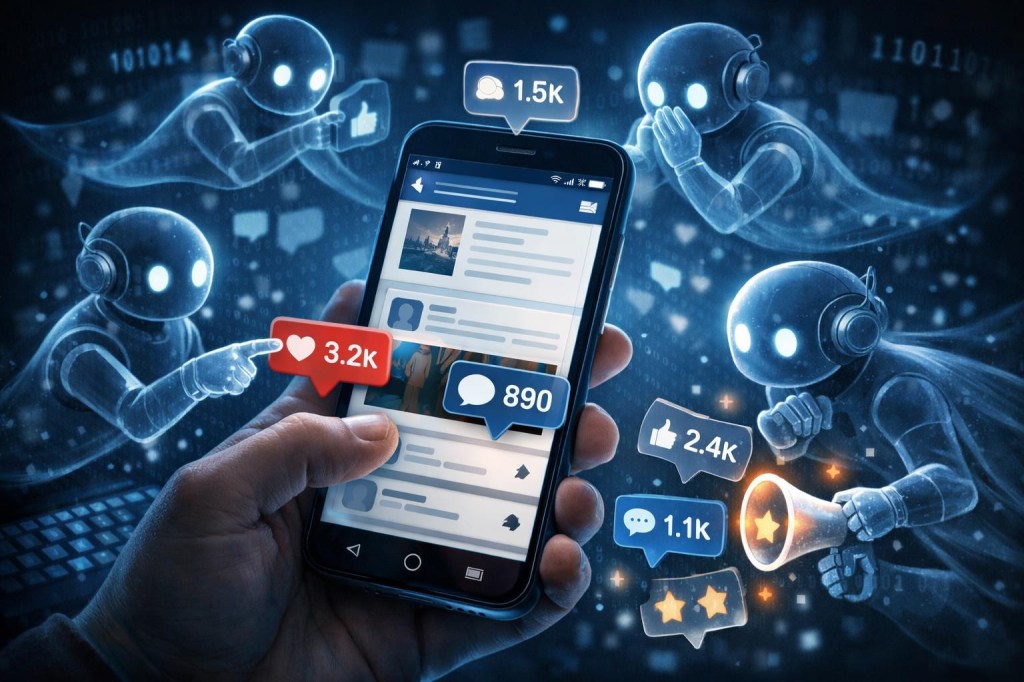
Across platforms, users frequently encounter unfamiliar or suspicious accounts—profiles with minimal information, repetitive behavior, or unnatural engagement patterns. These are often dismissed as “bugs” or technical glitches. In reality, many of these accounts are neither accidental nor harmless. They are part of a complex ecosystem of automation, manipulation, and algorithmic amplification.
Understanding these “invisible actors” is no longer optional. It is essential for interpreting information in a digital environment where perception can be engineered.
Beyond the Term “Bug”: Defining the Phenomenon
The term “bug” implies a system error—an unintended malfunction in software. While such issues do occur, most unexplained accounts fall into more structured categories:
- Bot accounts: Automated profiles programmed to perform actions such as liking, commenting, or sharing content at scale
- Fake or coordinated accounts: Controlled by individuals or groups to simulate organic engagement
- Spam networks: Designed to distribute links, promotions, or misleading content
- Algorithmic artifacts: Rare cases where platform systems unintentionally generate abnormal visibility patterns
The distinction matters. A technical bug is an anomaly. Bots and coordinated accounts are systems of influence.
How Automated Accounts Operate at Scale
Modern bot networks are not simplistic scripts. They often operate through layered systems:
- Automation frameworks interacting with platform interfaces or APIs
- Behavior simulation, mimicking human timing and interaction patterns
- Distributed account clusters, reducing the risk of detection
- Adaptive learning, where performance data informs future actions
These systems can generate engagement signals—likes, comments, shares—that appear authentic. In algorithm-driven platforms, these signals are not neutral. They directly influence what content becomes visible.
The Algorithmic Multiplier: From Small Signals to Mass Visibility
Most social media platforms rely on ranking algorithms that prioritize content based on engagement. This creates a feedback loop:
- Content receives early engagement
- The algorithm interprets it as valuable
- Visibility increases
- More users engage
- The cycle accelerates
When automated or coordinated accounts inject artificial engagement into this loop, they can distort the visibility of content at scale. A small, engineered push can lead to widespread exposure.
This is not a hypothetical risk—it is a structural feature of engagement-based systems.
Impact on News, Information, and Public Perception
The consequences extend far beyond individual posts. These invisible actors influence how information is distributed and perceived:
- Artificial trends: Content appears popular due to engineered engagement
- Distorted consensus: Users perceive widespread agreement where none exists
- Amplification of misinformation: False or outdated information resurfaces and spreads
- Suppression of credible sources: Reliable content may be overshadowed by manipulated signals
In this environment, visibility is not always a reflection of truth. It is often a reflection of system dynamics and input manipulation.
Psychological Effects: When Perception Becomes Reality
Human cognition is highly responsive to perceived consensus. When users see repeated messages, high engagement, or uniform opinions, they are more likely to:
- Accept information without verification
- Align with dominant narratives
- Experience emotional reactions based on perceived urgency or outrage
This creates a powerful psychological mechanism: engineered visibility becomes perceived reality.
Why Platforms Struggle to Eliminate These Systems
Social media companies are aware of automated and fake accounts. However, several factors complicate detection and removal:
- Scale: Billions of accounts and interactions
- Evasion tactics: Bots designed to mimic human behavior
- False positives: Risk of removing legitimate users
- Economic incentives: Engagement remains a core metric
As a result, mitigation is continuous but incomplete. The system evolves, and so do the methods used to influence it.
Recognizing Suspicious Accounts: Practical Indicators
While not all unusual accounts are malicious, certain patterns can signal automation or coordination:
- Minimal or generic profile information
- Repetitive or templated comments
- High-frequency activity across unrelated content
- Disproportionate engagement relative to account history
Recognizing these signals does not eliminate their impact, but it reduces uncritical interaction.
Reducing Exposure: A Strategic Approach for Users
Complete avoidance is unrealistic. However, users can adopt practical strategies:
- Diversify information sources beyond a single platform
- Verify content through independent channels
- Avoid engaging with suspicious profiles
- Be cautious with emotionally charged or rapidly trending content
Digital literacy is no longer limited to understanding content—it includes understanding how content reaches you.
The Fragility of Digital Reality
What appears on a social media feed is not a neutral reflection of the world. It is the result of complex systems shaped by algorithms, user behavior, and, increasingly, engineered inputs.
The “unknown accounts” many users dismiss as bugs are often something else entirely: invisible actors influencing visibility, perception, and, ultimately, belief.
In a system where attention determines truth, even small manipulations can have large consequences.
Understanding this is not about distrust—it is about clarity.
Read More from CURIANIC
- The Hidden Language of Algorithms: How Invisible Codes Shape What We See Online
- How to Protect Your Data: A Practical Guide to Dark Web Leaks and Phone
- When AI Becomes the Search: How Classic Websites Are Affected by Smart Engines
- What AI Still Cannot Do: Beyond the Illusion of Intelligence
- The Creator Paradox: Why Professionals and Everyday Users All Became Digital Creators
- When Machines Write: The Ethics of AI Art